
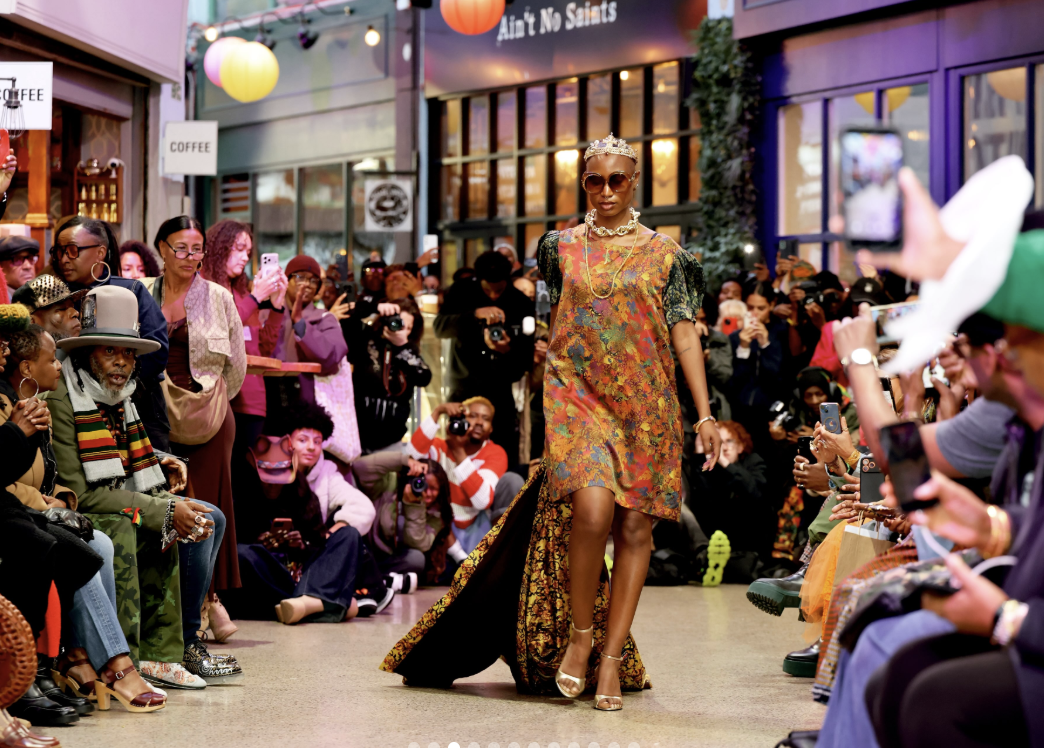
Over the weekend, Brixton's Market Row became a runway.
As part of Black History Month, Roots 2 Runway brought together independent Black designers and local creatives for a fashion showcase in the heart of Brixton.
Brixton has a rich history of music and fashion, with generations of communities contributing to the area’s distinctive style. Looking at British fashion more widely, some of its biggest influences have emerged from communities and subcultures rather than traditional fashion institutions.
That connection can still be seen in fashion today. Burberry's Spring/Summer 2026 collection, for example, drew on Britain's music festival scene and 1970s rock culture, showing how styles associated with music and everyday life continue to find their way onto the runway.
With Market Row taking centre stage over the weekend, it feels like a good time to explore who's shaping British fashion and how their creativity is reaching new audiences.
cc: @ianwattstv
From Market Row to the runway
Developed by Brixton Creative Collective and the Market Row working group, Roots 2 Runway celebrated Black fashion and entrepreneurship, bringing independent designers together with local audiences.
The programme included CHINAKWE, a brand celebrating African heritage through contemporary design, and Uptown Yardie, known for its footwear inspired by Jamaican culture. ÀṢẸ Boutique also featured, alongside runway styling by Carol Rose and live music.
Visitors had the opportunity to meet designers and shop directly from independent businesses, while participating brands could introduce their work to potential customers in a familiar community setting.
For emerging designers, events like this offer something different from a traditional fashion show. They create opportunities to connect directly with the people who might wear their designs, while celebrating the cultures and communities that inspire them.
The influences behind British style
cc: Martine Rose SS/2017, Vogue
British fashion has always drawn inspiration from the communities around it.
In the 1970s, punk challenged convention through DIY clothing, while rave culture brought oversized silhouettes and sportswear into the spotlight. More recently, grime has helped shape British street style, with artists such as Skepta becoming influential figures in fashion.
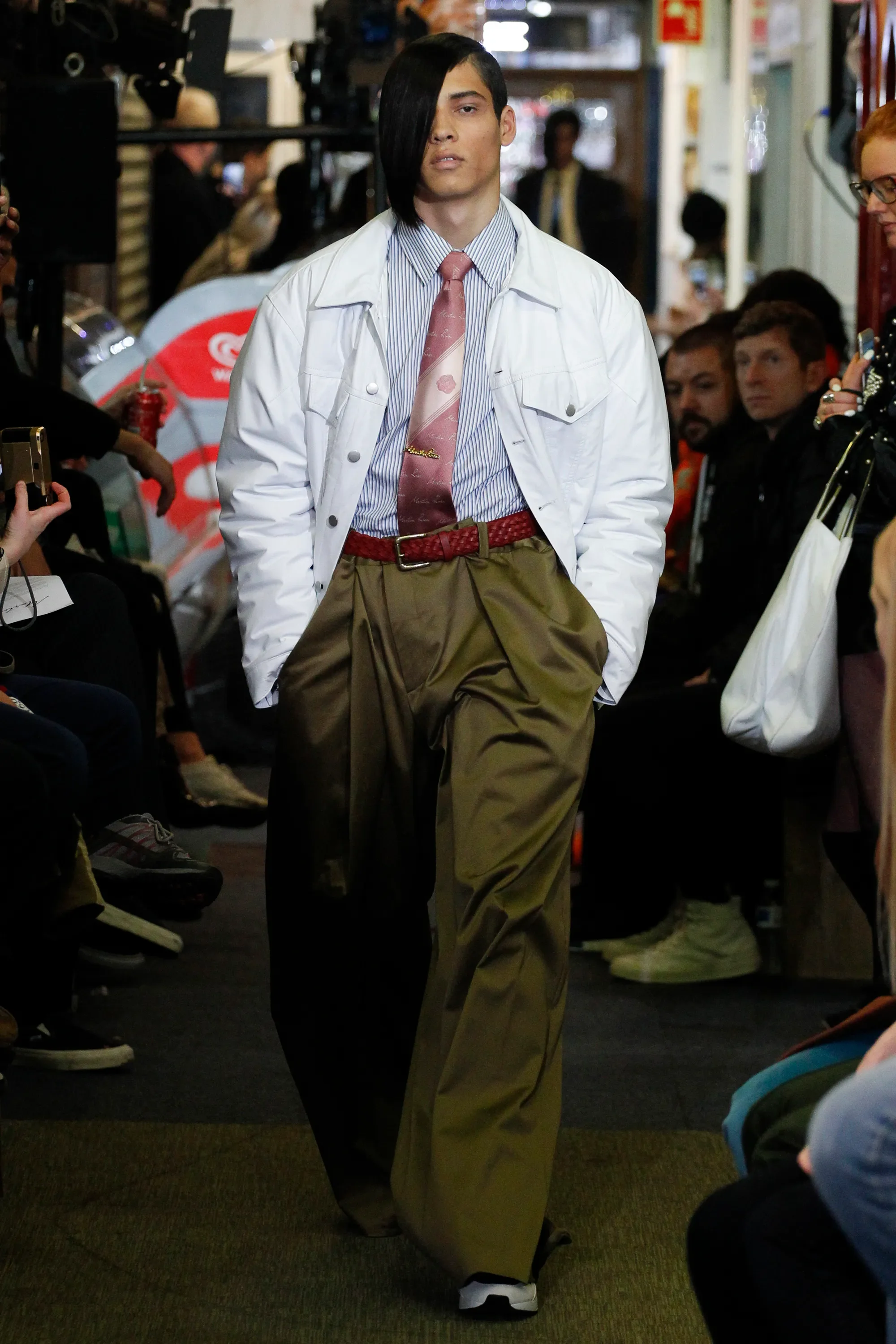
Contemporary designers continue to draw on these influences. Martine Rose references the music scenes and subcultures of her South London upbringing, reimagining everyday clothing and staging shows in unconventional spaces.
Grace Wales Bonner explores Black cultural histories and the Caribbean diaspora through contemporary luxury fashion, while Tolu Coker draws on her British-Nigerian heritage to explore identity and community.
What's interesting about these designers is how they've taken influences from their own communities and experiences, and brought them into spaces traditionally associated with luxury fashion. It's a reminder that some of fashion's most influential ideas don't necessarily begin on the runway.
Fashion beyond the front row
While community has always influenced British fashion, there are now more ways for people to engage with the industry beyond traditional fashion shows.
Recent research commissioned by the British Fashion Council found that over 80% of Londoners aged 18–24 had engaged with London Fashion Week, alongside 71% of Londoners from Global Majority backgrounds.
Social media has helped bring fashion to wider audiences, allowing people to discover designers and follow collections wherever they are. Community-led initiatives are also creating opportunities to experience fashion firsthand.
Earlier this year, A Diverse Runway brought eight designers together at London's Oxo Gallery for an inclusive showcase featuring models of different ages, backgrounds and abilities.
As recently highlighted by the BBC, the BFC's Fashion Britain initiative has also helped connect designers with communities across the country through a nationwide programme of more than 1,000 events.
For independent designers, these platforms can create opportunities to reach new customers and grow their businesses, building on the cultural interest that already exists.
Roots 2 Runway is a timely example of that opportunity, bringing independent talent into the spotlight while celebrating the community behind it.
As British fashion continues to evolve, it's exciting to see the different people and places contributing to its future.
