
The stories that stood out at Marketing Week's Changemakers conference this year all had one thing in common: they know who they are and who they're for.
We heard from Yorkshire Tea, Center Parcs, the Science Museum, Liberty, The Outnet and the Royal Ballet and Opera. Different categories with a range of budgets, but a few key themes emerged - here are the 8 learnings that we think are worth taking into 2027.
1. Build your platform on something true, then stay with it
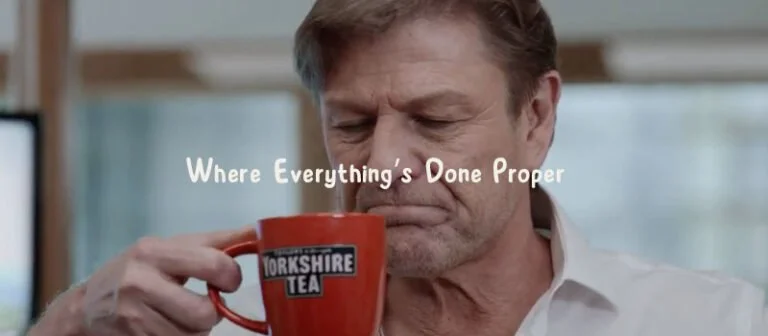
cc: Yorkshire Tea
In 2012, Yorkshire Tea sat on around 13 to 14% of the market share, looking up at PG Tips with more than 30%. It was a family business from Harrogate taking on brands backed by Unilever and Tata. They had better tea, and blind taste tests backed that up.
The breakthrough came in 2016, when Lucky Generals pitched "where everything's done proper". It worked because it was already how the business behaved, from sharing profits equally across the business to using long-term partnerships with growers in Rwanda, Kenya and India.
Ten years on, the platform has remained the same, while competitors have chopped and changed theirs. As the co-CEO put it, marketers get bored of executions far quicker than consumers do.
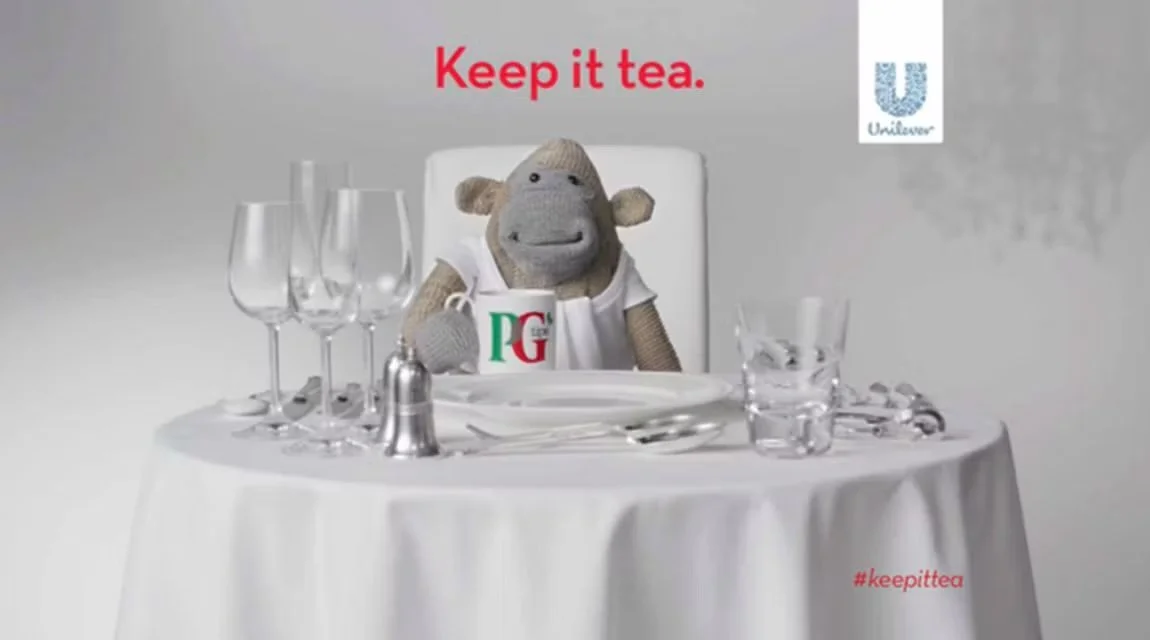

PG Tips with Ashley Walters
The learning: build your platform on how your business behaves, then give it the years it needs to grow. Consistency is what turns a good line into something people recognise and love.
2. To shift a stubborn image, show people what they don't know about you

cc: Getty Images
When Sophie Wybrew-Bond became the first Chief Commercial Officer at what was then the Royal Opera House, she assumed it was stuffy, expensive and elitist, and brand tracking showed she was not alone, despite almost 40% of tickets costing less than £50. In addition, a third of people who knew the House staged opera had no idea it staged ballet, which makes up half its work.
The first move was the name, with Royal Ballet and Opera putting ballet front and centre. Social media swapped a stream of ticket-selling posts for storytelling, which freed the team up to be reactive. When Timothée Chalamet made an offhand comment about ballet and opera, their friendly reply reached over 4 million people, and their following has since more than doubled to 7.5 million.
A scheme offering more than 100,000 young people tickets at £30 or less has helped open the doors to new audiences, and it's paying off - paid occupancy hit 95% last season, against a West End average of around 84%.
The learning: perceptions shift when every part of the brand tells the same new story. Find the facts your audience doesn't know about you, and keep telling them.
3. Listen before you change anything
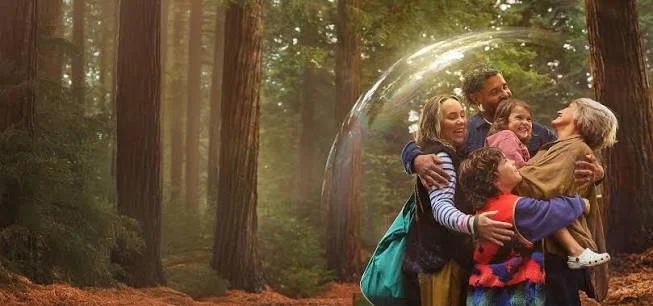
cc: Center Parcs
Sarah Holt joined Center Parcs, a business most CMOs would dream of, with 97% occupancy and 76 consecutive quarters of growth. The brief from the CEO and shareholders was to grow fast, yet her first move was to resist the urge to change everything.
She spent her first 100 days on the front line, sitting with village directors and even working shifts as a leisure instructor. One word kept surfacing - guests described arriving as entering a “bubble” with their family. The advertising leaned on the pool and the zip wire, but families remembered who was there and what made them laugh, so the new campaign was built around that feeling.
The learning: the people closest to your customer already hold the insight. Spend time with them before you change anything, and bring your long-serving team along, because they know the magic better than anyone.
4. A great ad is a promise your product has to keep
Sarah put it plainly: a beautiful film creates expectation, and it also exposes every place where reality falls short. Last year Center Parcs spent £20 million on advertising and £150 million on product, seven times as much on making the experience better. Much of that is going into upgrading the standard lodges, so a premium stay does not depend on booking a treehouse.
She sold the new direction to staff first. A brand film made for village directors nearly earned a standing ovation and now plays on the first day for every new starter. Staff engagement is up 11 points.
The learning: Whatever your campaign promises, the business has to deliver. Win your own people over first, then put your investment where customers will feel it.
5. The boring fix can do as much as the big ad
One of the most effective things Center Parcs did had nothing to do with creative. When Sarah arrived, guests couldn't use Apple Pay to book leisure activities in the villages. Adding it led to a 6% rise in leisure bookings, and by her numbers it added as much to the business as the Christmas ad. Its not sexy, but it showed up in the P&L, where it matters most.
She called this commercial creativity, and she expects her whole team to know the numbers and make trade-offs with them. Growth is a job for everyone, so marketers need to care about friction as much as they care about brand health.
The learning: look for the small moments where customers want to spend and cannot. Fixing them may be the least glamorous line in your plan, but it could be the one that pays back fastest.
6. Hook people with wonder, then show them why it matters to their life

cc: Science Museum
Libby Jackson OBE, Head of Space at the Science Museum, has a classic perception problem. People love space, yet most believe it has nothing to do with them. In reality, around 18% of UK GDP, roughly £450 billion, depends on space data. If you checked the weather or tapped to pay this morning, you used it.
Her approach has two steps. Use the astronauts and rockets as the hook, then explain how space affects everyday life. Plenty of brands face the same job, with a category that feels distant or “not for me” to the people they want to reach.
The learning: lead with what excites people, then show them how it touches their day-to-day.
7. When AI levels the data, talking to customers becomes your edge

cc: Julian Simmonds
Before he had even started as CEO of Liberty, Adil Mehboob-Khan noticed that almost everyone he told about the job said the same thing, “I love Liberty”. Earlier in his career at Procter & Gamble, he learned that the best way to understand that kind of loyalty is to talk to customers one-to-one. While researching Ivory soap, he asked a loyal customer about the lather, quality, and price.
She told him that when she came home from a tour in Afghanistan, she smelled Ivory on her mum and knew she was safe. The team had been about to change the scent, and a dataset would never have caught that.
His argument is that AI will soon give every business the same targeting and analytics, so the advantage shifts back to brands that understand why people love them. He still personally replies to customer letters.
The learning: use the tools, then go and talk to people. Data will show you what people do, and you'll only find out why by asking.
9. When a brand loses its way, go back to why it existed in the first place
The closing talk came from Sabah Naqushbandi, now CMO of SharkNinja and former managing director of The Outnet. When she took over The Outnet, it was struggling with an uncertain future. The turnaround, which the team called the Love Revival, put joy, the original purpose of the brand, back at the root of the business. Within two years, it went from double-digit decline to double-digit growth and was sold to private investors.
The learning: Rediscover what your brand was built to give people, and build everything else around it.
Our takeaways
Every story on that stage came back to emotional connection, and it always started with understanding people properly. Yorkshire Tea earned it through years of consistency, and Center Parcs found it by listening to the people on the ground. The Science Museum makes space feel personal, while the Royal Ballet and Opera opened their doors to people who assumed it wasn’t meant for them. Liberty finds it in letters and conversations, and The Outnet rebuilt itself around the joy it was founded on.
It's the same thinking behind our ICE model: Immersion, Community, and Emotional Connection. In short, get close to the people you want to reach and bring the communities around them in, so they have a real reason to care.
We are looking forward to seeing how more brands get to know their audiences in 2027.