
It’s that time of year again, and like clockwork the Christmas ads are back, a run of short films we know are coming (and look forward to!) every year. Behind each one are months of planning, shooting and editing, often starting well before the summer holidays, all for something you’ll watch for a minute or two.
Still, year after year, plenty of us end up talking about them and comparing notes on our favourites.
Short form isn't new
Long before anyone had a phone to blame, we were already hooked on stories and sayings that got to the point quickly.
For centuries stories were passed on by word of mouth, so they had to be quick to tell and easy to remember, which is why parables, proverbs and nursery rhymes have outlived almost everything else we’ve created. Advertising has always known this, which is why so many slogans and jingles still get stuck in our heads decades later. Twitter took it a step further in 2006, when its 140-character limit made keeping messages short a part of how we talk to each other online.
Then came Vine in 2013, which gave us six seconds to make someone laugh and still managed to produce some of the most quoted memes of the decade.
But now long form is coming back in a big way, with Instagram announcing Features, a format for horizontal videos up to 90 minutes long, even though its head Adam Mosseri admitted he’d been against long-form video on the app for years.
cc: Humble Magazine
So if length isn’t the issue, what is?
It all comes down to effort, and how visible this effort is. Anyone can generate an image, a script or a video in seconds, effort has become scarce, and scarce things signal value. It’s the same reason a handwritten card means more than a text, even when it says less.
Dictionary.com named “maxxing” its 2026 Word of the Year, after a year of sleepmaxxing, proteinmaxxing, and pretty much everything else. Alongside it, friction-maxxing has people deliberately adding effort back into their day. The version we’re seeing across culture is effort-maxxing, where people are looking for the work behind what they’re watching and wearing.
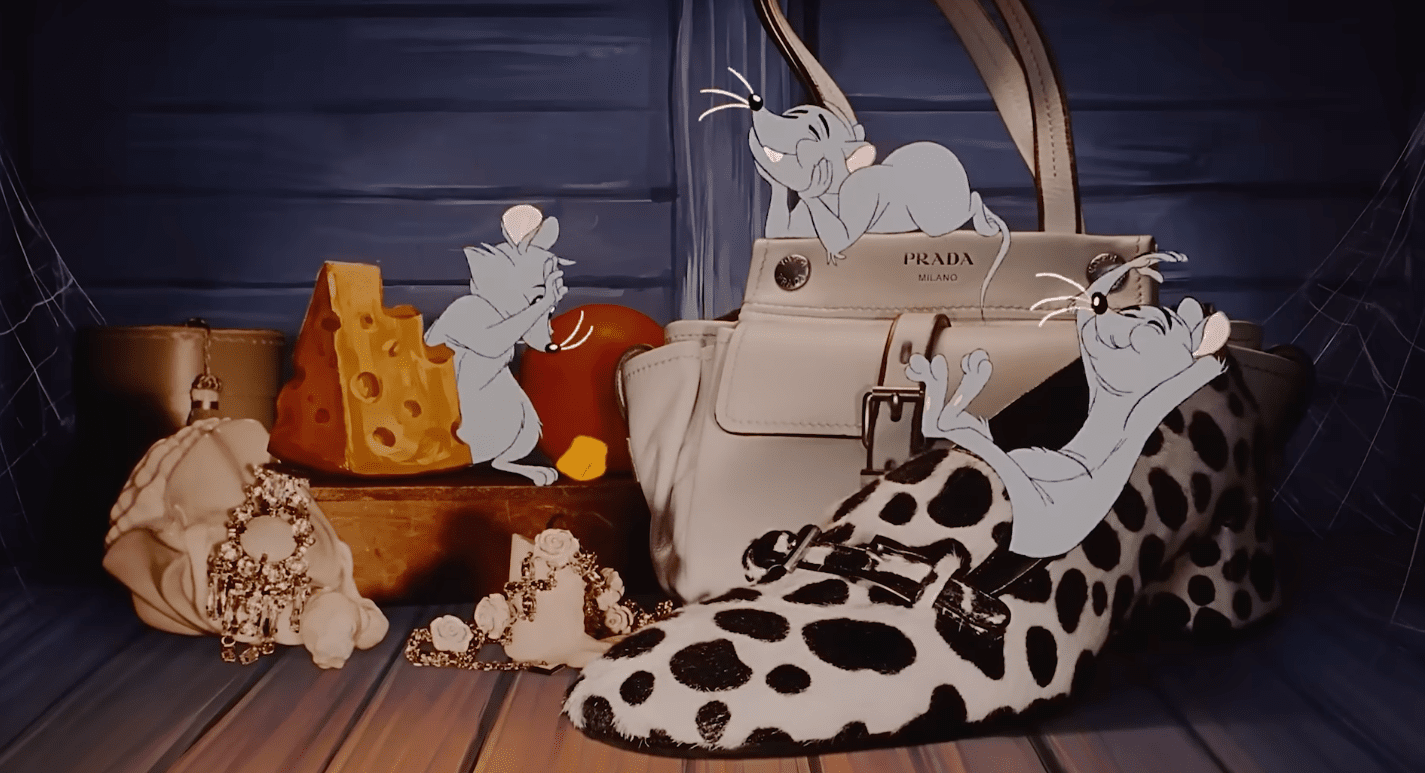
Prada’s holiday campaign is a good example. For Drawing Prada: Animated by Hand, the brand worked with veteran Disney animator John Pomeroy to draw the characters by hand and frame by frame. Variety pointed out that hand-drawn work costs more to produce, and the campaign was widely praised online when it launched.
The behind-the-scenes process mattered just as much here, with footage of the sketches and the animators at work shared alongside the film, so the journey became part of the story too.
cc: e.l.f Cosmetics
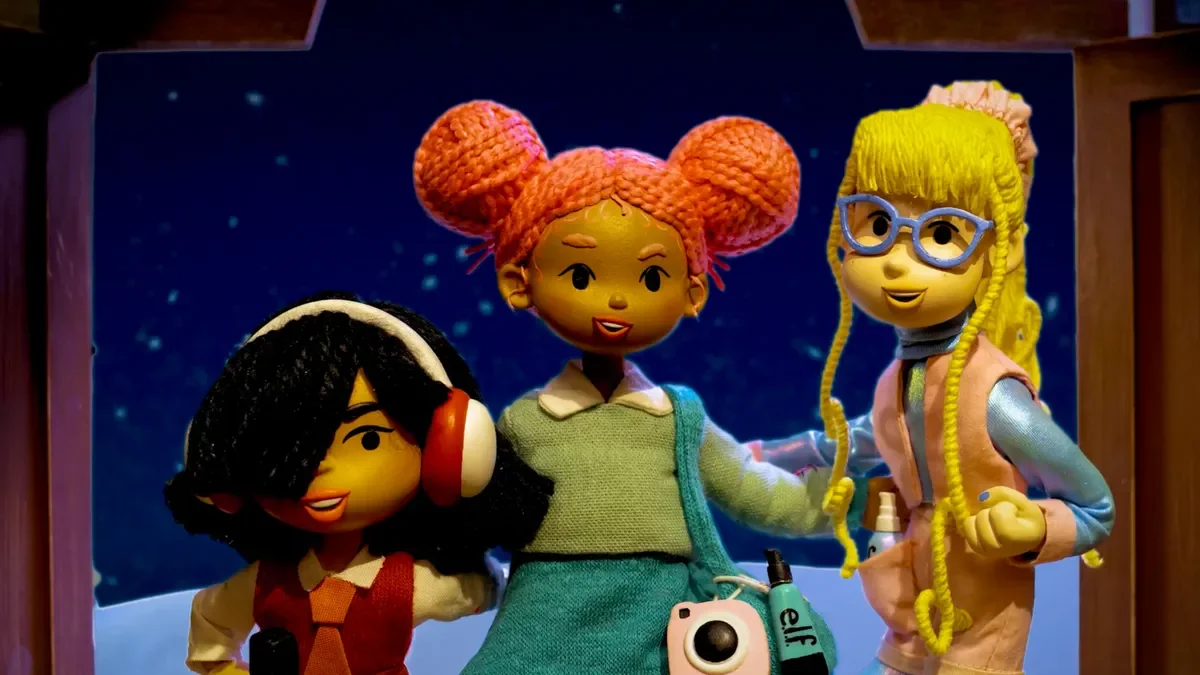
It’s part of a wider pattern this season. Creative Bloq held Prada up as a lesson for Coca-Cola, whose recent Christmas ads have used AI, and pointed to stop-motion ads from Levi’s and e.l.f. Cosmetics as more wins for human craft. Loewe has been doing this for a while, with holiday campaigns built around handmade sets and, in 2024, a handcrafted mechanical puppet film.
What ties these campaigns together is a choice. Each of these brands could have taken a quicker route, so choosing the slower, handmade one has become a statement in itself, telling audiences that someone cared enough to put the hours in. With so much content now made in seconds, the time behind a piece of work is fast becoming the thing that sets it apart.
Worth the wait
Whether it’s a Christmas ad we’ve waited all year for or a new brand campaign, the content standing out right now are the ones that show evidence of human effort, time and thought. Audiences are still happy to give something a few seconds or a few hours, as long as it feels worth it.
