
ChatGPT - your new BFF?
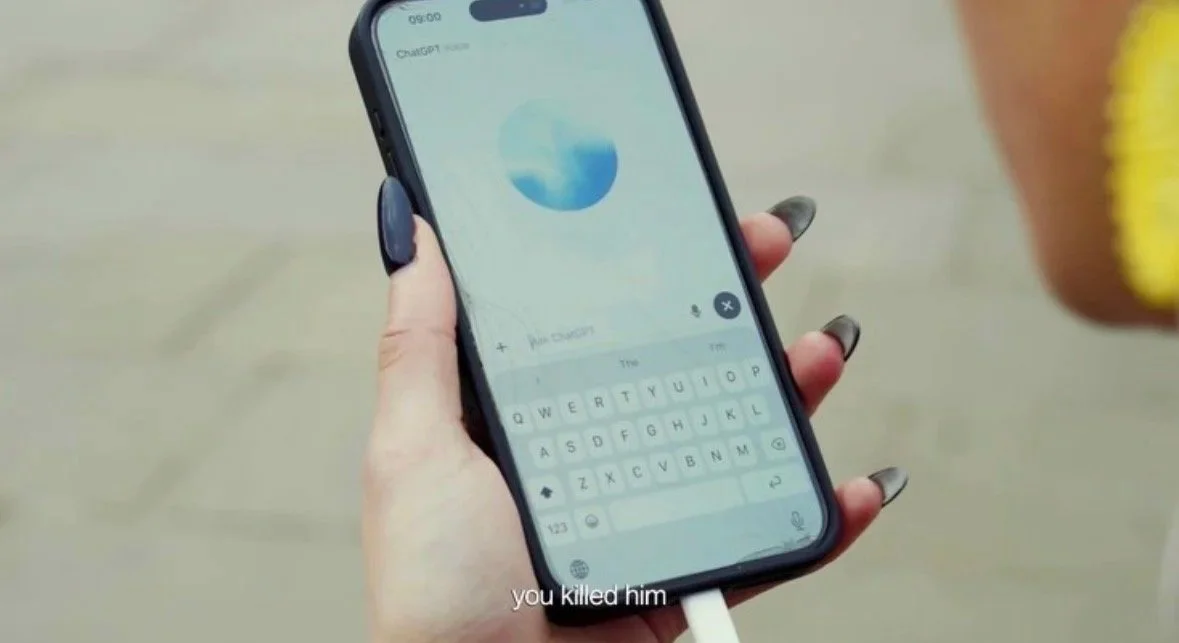
Credit: @laurenadamsonn. Dinner Date, starring @laurenadamsonn a @jasmina_wood x @mahila.intimates film
Mahila Intimates' latest campaign Dinner Date is doing the rounds online for its visual execution, with discussion increasingly centring on the wider conversations it has opened up about digital culture.
The fashion-led short film, starring Lauren Adamson and directed by Jasmina Woods, initially adopts the familiar tone of a post-date debrief before it becomes clear she isn’t speaking to a friend but to ChatGPT. Once this shift is revealed, the film moves entirely beyond dating, reframing itself around the replacement of conversation with a tool designed to respond perfectly, validate experience, and remove friction from typical exchanges.
The result is intentionally ambiguous. Some viewers see it as a tongue-in-cheek commentary on how dependent we’ve become on AI for emotional processing, whereas others see it as a warning - not necessarily about AI itself, but about how easily we outsource reflection when responses are always available and agreeable.
Either way, the reaction has been split. Which feels intentional.
The bigger picture
This shift becomes more complex when you consider how AI tools are being used beyond productivity, particularly in emotional contexts.
The internet has always rewarded performance. But now tools like ChatGPT extend that logic further by completing the performance itself. AI chatbots can match your tone, validate your feelings, and never push back. For some, it's the perfect conversational partner, as reported in The New York Times, while for others it is more destabilising, with users describing distorted thinking following extended interaction with conversational AI systems, referred to as “chatbot delusions”.
Culted’s interview with the co-founders of Mahila about the Dinner Date campaign reflected this broader positioning, in which dystopia serves as a way of exploring modern disconnection, with AI acting as a lens on how communication and intimacy are shifting.
Meanwhile, the industry keeps moving
The Cannes Film Festival has signed a multi-year sponsorship deal with Meta, replacing TikTok as an official partner.
The move reflects a wider shift in how film culture is being shaped by platform infrastructure, as AI tools, creator ecosystems, and wearable tech become embedded into the spaces where cultural legitimacy is increasingly produced and distributed.
At the same time, the role of media in shaping how these shifts are interpreted is becoming just as important as the technology itself.
The UK’s leading fashion and media platform, SheerLuxe, recently faced backlash after introducing AI-generated personas for branded content, a move that was later covered byThe Times. The decision sparked criticism across social platforms such as TikTok and Instagram, including from creators like Dr Brett Staniland and Stylish Pod. They argued that the initiative risked normalising AI-driven beauty standards for young and impressionable audiences, while also raising concerns about replacing human talent with artificial avatars rather than investing in and paying real creators for their work.
So, where does this leave us?
What Mahila Intimates’ Dinner Date ultimately reveals is a broader shift in how communication itself is being shaped and interpreted.
A campaign generating this level of conversation speaks to something more, as different audiences are reading different meanings into the same work.
It will be interesting to see how both brands and wider culture continue to respond as AI becomes further embedded into spaces, and how that shapes what comes next.
