
Top Takes From YMS 2026 (Part 2)
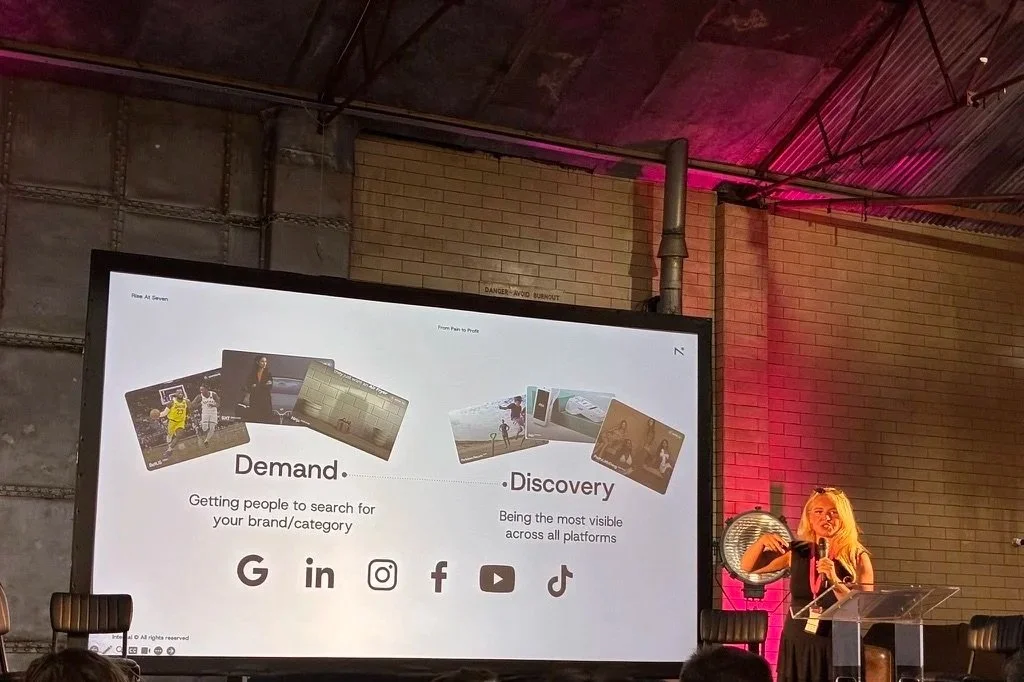
Search Insight: The Invisible Signals Driving Modern Marketing by Carrie Rose, CEO & Founder of Rise at Seven
Top take #1: Search data reveals real human truths, making it the most powerful tool for marketing right now
We know the way we search is changing, but according to Rose, it takes on average 3.6 search engines before we reach a decision that we’re satisfied with. You might start on Google, but then check TikTok for the consensus of the people, before heading to Youtube for a more in depth POV.
Social media platforms may have started out as places to be entertained and share pictures of you and your friends, but now they’re some of the biggest search engines we use to find answers for, well, anything.
For example, TikTok’s ability to provide quick answers from real people has helped establish it as a major search platform, with 24% of users reportedly using it as their primary search engine and 52% of Gen Z preferring social media recommendations over Google.
Our social media profiles share what we want the public to see, but it's our search history that shows what we really want, making it a marketing goldmine for brands. As social media and search engines become evermore entwined, brands need to be paying attention to the data if they want to effectively reach their audience and engage with them in an impactful way.
So, what’s the lesson here? Search results should inform social strategy and content creation, with optimised content driving long-term brand visibility and demand. SEO doesn’t just live on Google, and if you ignore other platforms, you could be missing out on huge opportunities.
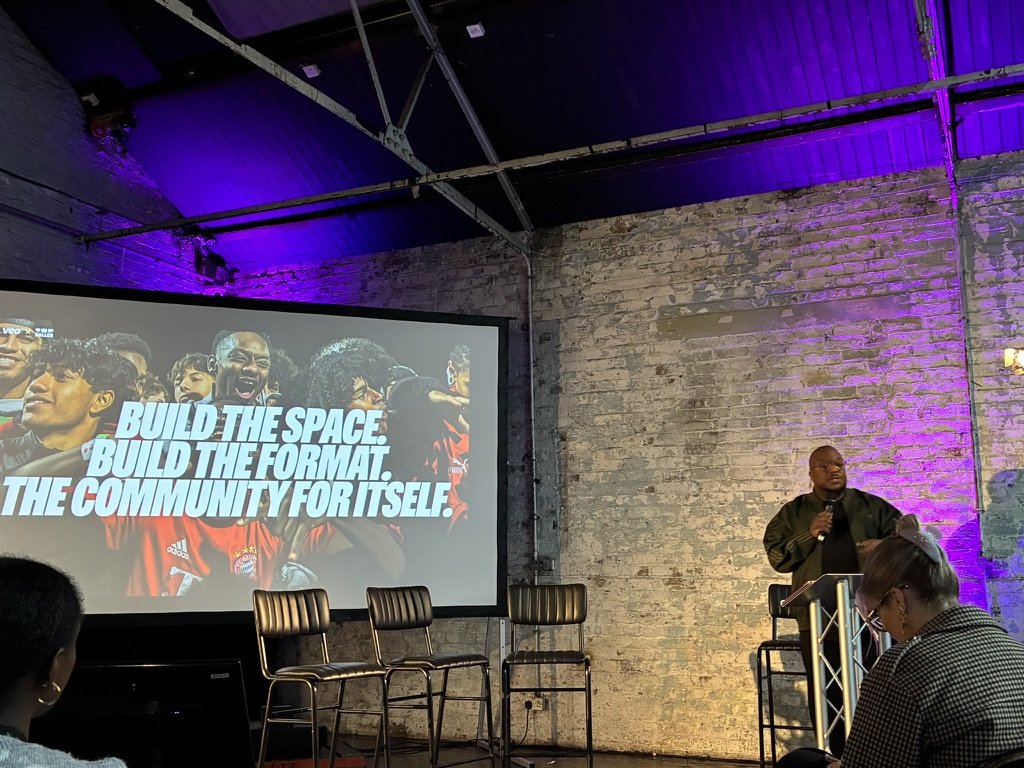
Top take #2: Subcultures and communities are the key to relevancy
Cultural currency doesn't come from having the biggest budget or the loudest voice.
Rob Scotland (Head of Brand & Communications at Veo Technologies) states what gives brands cultural capital is the people they work with and the subcultures they open up for them. The brands are simply the manufacturers but the people, partners and communities that are tapped is where you’ll see genuine engagement.
This is somewhat echoed by Emily Fuller (Head of NatWest Thrive, NatWest); there are brands successfully reaching young people, but content creators are often doing so just as effectively. It’s the people that generate the conversation, start the trend without any pre-planned strategy, and connect with their peers in ways brands can only try to emulate (or get a piece of by partnering with them).
The lesson? Whatever the campaign, make it about the people, not the product. People respond to seeing themselves; their families and friends, their habits and hobbies, their behaviours and quirks. No one wants to be sold a product but there’s no price on feeling seen.
Top take #3: The winning formula for cultural relevancy
Working with young people across the UK, Word on the Curb speaks to young people to see how they really feel about brands and how they interact with them. The results? Five rules of cultural relevance, and we think they’re pretty good.
Stop mistaking fame for relevance - high awareness does not always mean high relevance. For example, Vinted rated highly for cultural relevance due to its community driven nature (here we are again, it’s all about people over product). As a result, over time it’s built its own subculture, showing the second-hand industry via genuine brand love from young people.
Learn the language of internet culture to stay relevant - memes and internet culture are a key way young people communicate. Communication is about storytelling and community building, we’re beyond just buying and selling a product, but to speak to your audience, you need to know the language.
Earn trust before earning relevance - honesty is more important than relevance,with more than half of WOTC's sample saying they prioritised trust above all else when engaging with brands. We heard it in part one (from Matt Cooke) but relationship building over time is invaluable.
Build a platform that allows young people to discuss and interact - a brand should be the facilitator, or as Rob Scotland from VEO put it, the manufacturer. But once you’ve built the table, let the community decide who eats. They determine relevance by establishing what’s good, what feels right and what resonates with them. Real engagement and conversation can’t be forced.
Make your brand affordable or risk being invisible - Lidl and Aldi scored higher in cultural relevance than any supermarket in the UK. Why? They’re affordable, essential and tap into culture in expected ways (see its infamous Croissant Bag). If fans can’t access your product, they might not stay fans for long.
These were just some of the highlights from YMS 2026, but there were plenty more insights shared across the day.
If you haven’t already, catch up on Part 1 of my YMS 2026 round-up, where we explore everything from building trust with young audiences to creating campaigns that genuinely resonate.
