
Fashion has long been one of the clearest indicators of cultural currency, peaking with each decade as new trends, brands and subcultures emerge. For example, during the 2010s, it wasn't just about what you could afford, but what you could get your hands on. Think limited-edition drops, hyped brands, celebrity collabs and co-signs, from the right pair of Yeezys to the latest Supreme drop, to more recently, getting hold of Corteiz before everyone else did. What you wore became a way to show just how culturally plugged in you were.
Today, those signals read a little differently. Someone's cultural currency might be communicated by their Oura ring, their Strava activity, the olive oil sitting on their kitchen counter, a go-to order from an arguably gentrification-indicating coffee shop, or the restaurant reservation they somehow managed to get when no one else could.
Status is no longer confined to the once-obvious places where we might have expected it to show up. Highsnobiety's three-part Status Economy whitepaper explores how visible status has evolved, shifting into other areas of our life including groceries, beauty and hospitality.
Food as a form of self-expression
According to Highsnobiety, 71% of people see groceries as a new form of lifestyle expression or cultural capital, suggesting that what we put in our baskets speaks volumes about who we are.
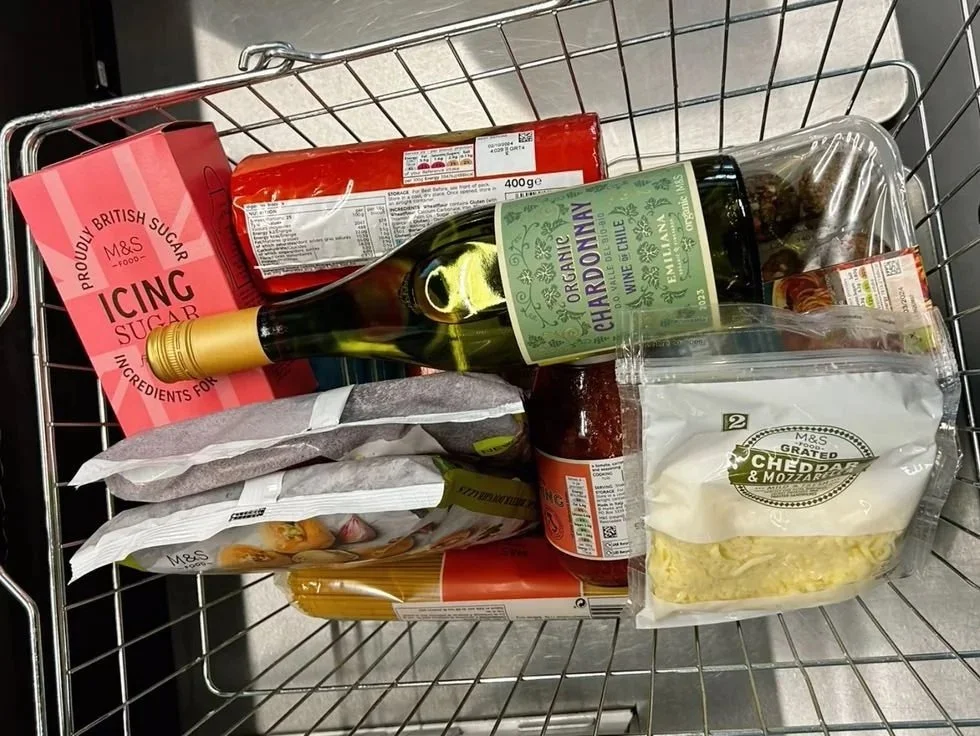
Of course, where we shop has long carried its own associations, from M&S food shops to Aldi’s cult dupes. What’s interesting now is how much more granular those signals have become, extending to the individual products in our baskets, the brands we know and the ingredients we seek out.
Creds: Pinterest
And it’s not just about what’s inside the packaging. How food looks on our shelves and kitchen counters is increasingly part of the appeal. Olive oil, for example, has gone from an everyday kitchen staple to a visible marker of taste, with a new wave of brands using bold branding, colourful packaging and even squeezy bottles to appeal to Gen Z.
Independent brands are increasingly treating everyday ingredients as products people want to have on display. Influencer-led brands such as the recently launched DRZZL show how even the basics in our cupboards are being reimagined through elevated branding and pleasing aesthetics.
Our kitchen cupboards can now signal taste in the same way our wardrobes do, from the provenance of olive oil to the grade of matcha, or even where your salt comes from (Maldon, of course), each carrying its own credentials.
But it's not necessarily about how expensive any of these things are. Part of their cultural value comes from knowing why one product is worth choosing over another. Tapped-in consumers care about ethical sourcing, safe production processes, quality ingredients and interesting founder stories. Good on the plate is about more than just the taste; it’s about the story surrounding it and how it reflects consumers' values.
Food brands themselves are becoming part of this cultural language. Highsnobiety found that 75% of people agree some food and drink brands feel like they're part of a bigger cultural world, rather than something they 'just buy'.
The new codes of wellness
Taking care of your health is now more than simply eating well and having a good routine.
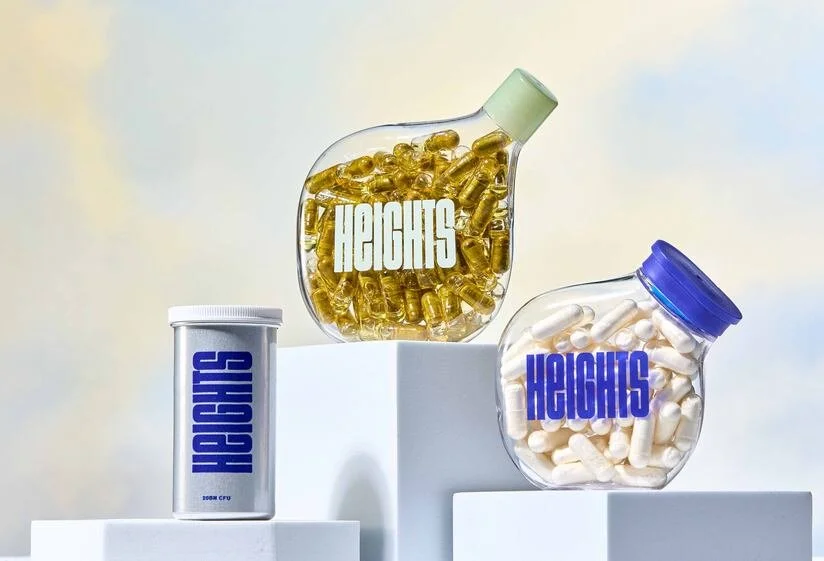
Wellness has become a multi-trillion-dollar industry, with a multitude of ways to participate, from electrolytes, ashwagandha and supplement stacking to red-light therapy, saunas and cold plunges, alongside an ever-growing choice of pilates, lagree, yoga, and run clubs. We're truly spoiled for choice, but knowing which products and routines are actually worth buying into has become a form of cultural knowledge in its own right.
Highsnobiety's research suggests this shift is happening across genders, with wellness increasingly showing up through everything from treatments to the devices we wear. And as the category grows, so does the conversation around it. People swap supplement recommendations, compare routines, and share the practices that have worked for them, turning what might once have felt relatively personal into an everyday cultural conversation.
Creds: NutraIngredients
Wearables have added another layer to this, turning health into something that can be measured, made visible, and even published as content. Apple Watches, Garmins, Oura and Whoop track everything from sleep and recovery to heart rate and steps, while Strava has turned exercise habits into something we can share and compare.
Beauty is taking on some of the same cues. Where more maximalist treatments and routines once signalled investment, something as simple as bare nails or a clean manicure can now carry its own cultural meaning.
Broadcaster and podcaster Angela Scanlon ditched her bi-weekly nail habit this year in a bid to reclaim her time and unsubscribe from a beauty norm she didn’t even realise she had succumbed to, calling on other women to examine the things they’ve adopted, be it in the name of wellness or beauty, that they didn’t actually need. Much like the food in our cupboards, the signals are becoming subtler and increasingly rely on knowing what you're looking at.
All of this changes what it means to carry status. It's no longer just about what you can afford, but what you know, where you go, what you track and the practices you embrace or reject as part of your daily life.
